Mexico and India Launch Negotiations for Preferential Trade Agreement
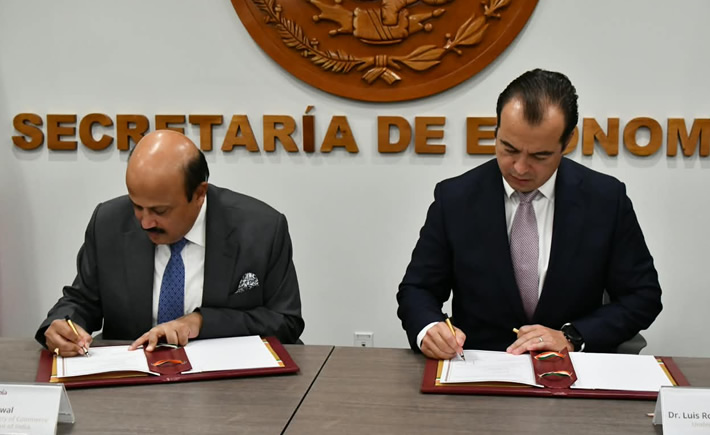
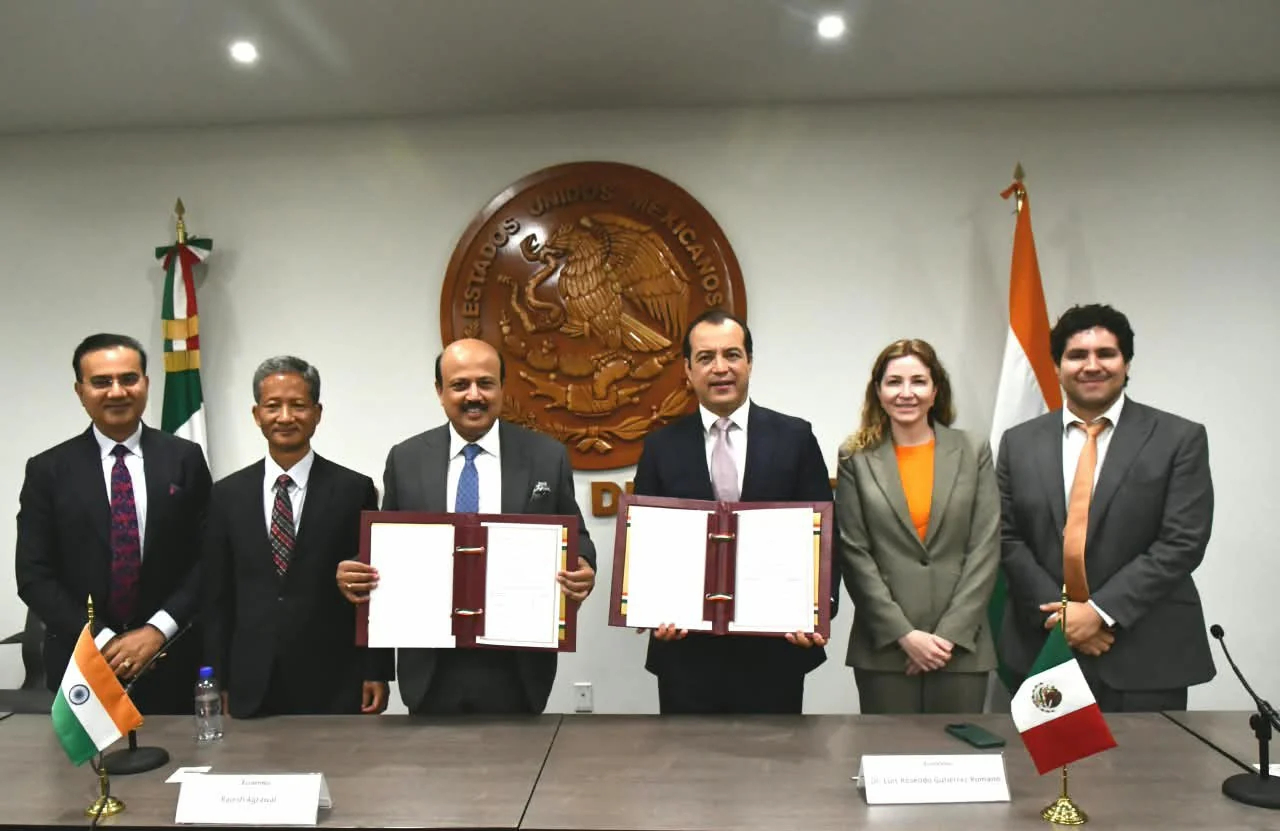
Mexico and India formally launched negotiations for a Preferential Trade Agreement aimed at expanding bilateral trade, diversifying export markets and promoting investment. The two countries signed the terms of reference that establish the objectives and procedures for the talks. No deadline has been announced for concluding the negotiations.
Market Access and Trade Procedures on the Agenda
The talks will cover market access for goods, rules of origin, customs procedures, trade facilitation and dispute settlement. Market access discussions will help determine which products could receive preferential treatment, while rules of origin will define the conditions goods must meet to qualify. The negotiations will also address how customs procedures could facilitate shipments between the two countries.
The terms of reference establish the framework for those discussions. Any changes to market access or customs procedures will depend on the provisions the two countries ultimately agree to.
Opportunities Across Key Industries
Mexico has identified potential opportunities in automotive, electronics, pharmaceuticals, medical devices, energy, critical minerals and advanced manufacturing. For Mexican exporters, improved access to India could open additional sales opportunities. For manufacturers, closer trade ties could also help diversify sourcing and supply chains.
The commercial implications will vary by industry and product. As the talks progress, companies will be able to assess the proposed terms against practical considerations such as where they source inputs and whether their goods could qualify for preferential treatment.
A Business Mission Under Consideration
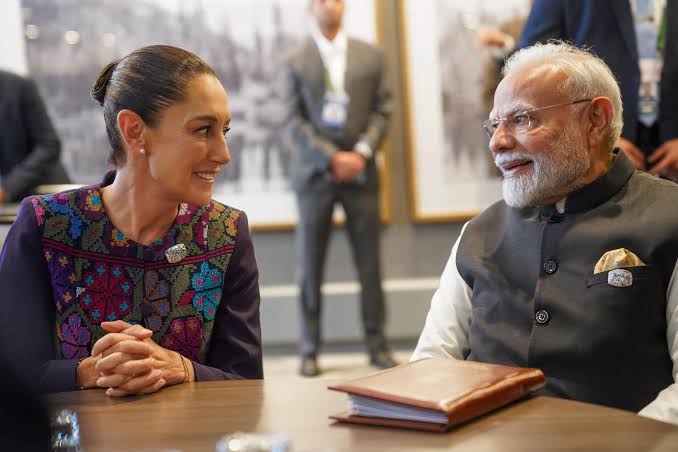
The initiative follows discussions between the leaders of Mexico and India during the G7 summit in June 2025. Alongside the negotiations, the two countries are considering a Mexican business mission to India in the first quarter of 2027.
If it goes ahead, the mission would give Mexican companies an opportunity to meet potential business partners and identify trade opportunities directly. It would complement the formal negotiations by helping companies explore where closer economic ties could translate into commercial activity.