
Mexico Can Turn T-MEC Reviews into a Competitive Advantage
The United States-Mexico-Canada Agreement (USMCA) has entered a new stage following its first six-year joint review in July 2026. While the agreement remains in force through 2036, the three countries will now enter a cycle of annual reviews, creating a new environment in which Mexico must continuously strengthen its position within North American supply chains.
Rather than representing an end to the agreement, this new stage creates an opportunity for Mexico to build on the competitive advantages that have made it a key manufacturing and investment destination. The country combines preferential access to the U.S. market, geographic proximity, established infrastructure, and a growing industrial base with a federal strategy focused on attracting investment and developing advanced industries.
Mexico’s Competitive Position in North America
Mexico maintains an important advantage over other U.S. trading partners, with an average tariff rate of approximately 3.5% to 3.7%. At the same time, around 85% of Mexican exports enter the United States tariff-free under the T-MEC. Its geographic proximity to the U.S. market and its transportation infrastructure further facilitate cross-border trade and access to North American customers.
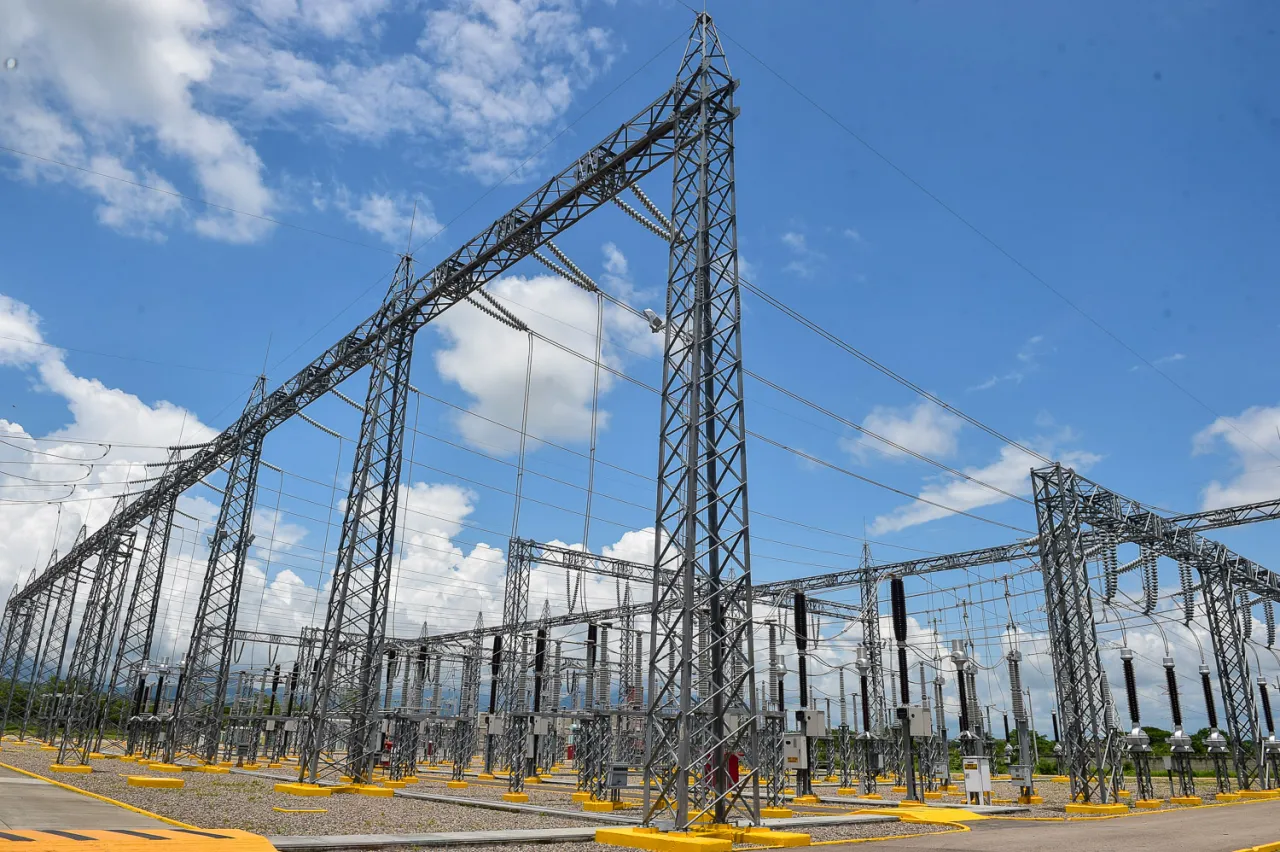
The Plan México, the federal strategy for 2025–2030, complements this position by establishing 13 goals and three central priorities: attracting foreign direct investment, improving labor and living conditions, and increasing regional productive integration. The plan contemplates MXN $5.6 trillion in infrastructure investment, with 54% allocated to energy, as well as the creation of Development Poles offering fiscal incentives and administrative facilities for strategic industries such as electronics, semiconductors, automotive, and chemicals.
Turning Uncertainty into Opportunity
The new T-MEC review framework also creates an opportunity to strengthen the foundations of Mexico’s export model. With approximately 4.8 million MiPyMEs, representing 99.8% of the country’s economic units, integrating more small and medium-sized businesses into North American supply chains can create specialized domestic suppliers and increase local value creation.
Similarly, increasing the sophistication of manufacturing can help Mexico capture a larger share of the value generated by each exported dollar. Developing advanced manufacturing capabilities, supported by approximately 169,000 STEM graduates each year, can help move the country toward higher-value activities while strengthening its talent base and employment opportunities.
In this context, the T-MEC can provide the market access while Mexico uses its industrial capabilities, talent, suppliers, and investment strategy to increase regional integration. The challenge is to transform the uncertainty created by annual reviews into an incentive to strengthen what Mexico already has.
Monterrey: A Strategic Hub
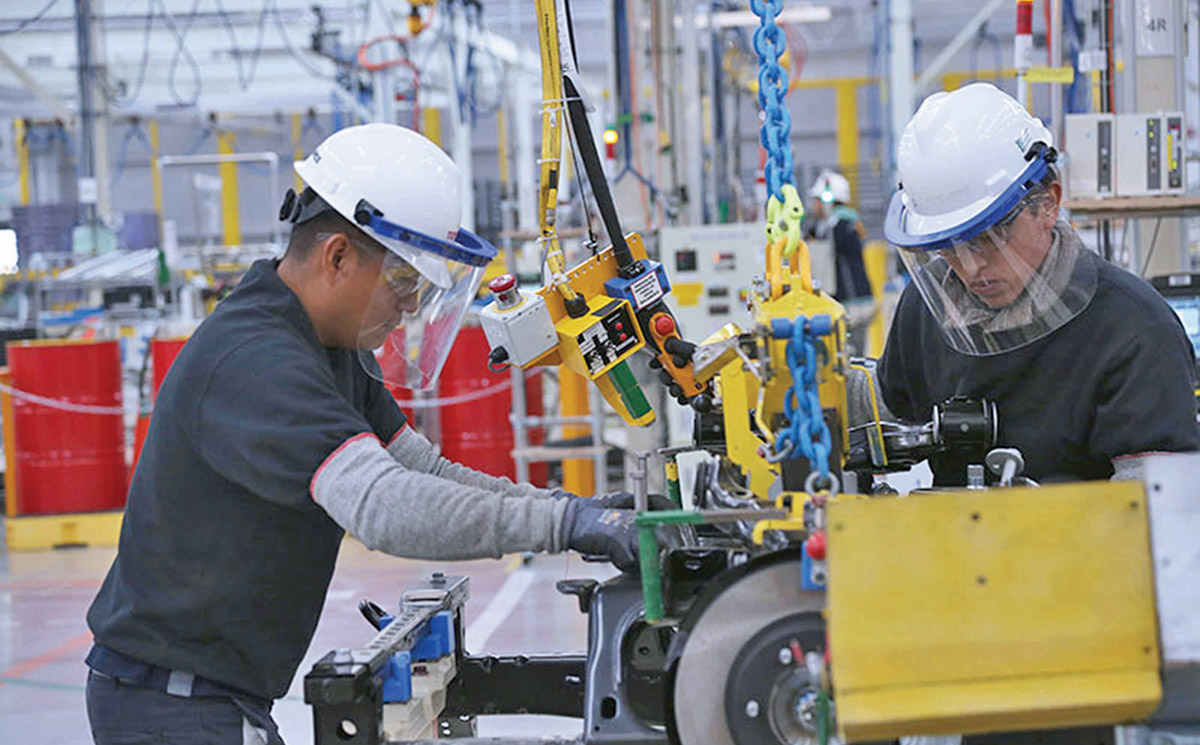
Monterrey is well positioned to capitalize on this new stage of regional integration. Its manufacturing base is solid, accounting for 34.3% of the region’s GDP, backed by a diversified economy with a strong presence in trade, real estate services, and construction. North America is already its main market: the United States and Canada are Monterrey’s top trading partners, with the U.S. alone absorbing 88.5% of the region’s exports in 2025. And it has the talent to back it up, with 35,000 technicians and 25,000 engineers graduating in the region every year, feeding industries like advanced manufacturing and automotive.
Invest Monterrey recently joined this conversation, participating in a panel on the implications of the T-MEC review for Mexico’s industrial and automotive sectors. The discussion addressed the challenges and opportunities of the new review framework, including the importance of strengthening suppliers, increasing regional content, developing specialized talent, and positioning Mexico to capture greater value from North American supply chains.
Taken together, these strengths are what position Monterrey as an industrial hub that carries real weight in this new context, and they reinforce the importance of working alongside companies to identify opportunities for growth within the evolving North American market.

Comments are closed here.